
September 1, 20261 min read
The story of Salvador in seven moments
From the bay sighted in 1501 to the Afro-Brazilian capital of today: the chapters that explain the city you are about to visit.
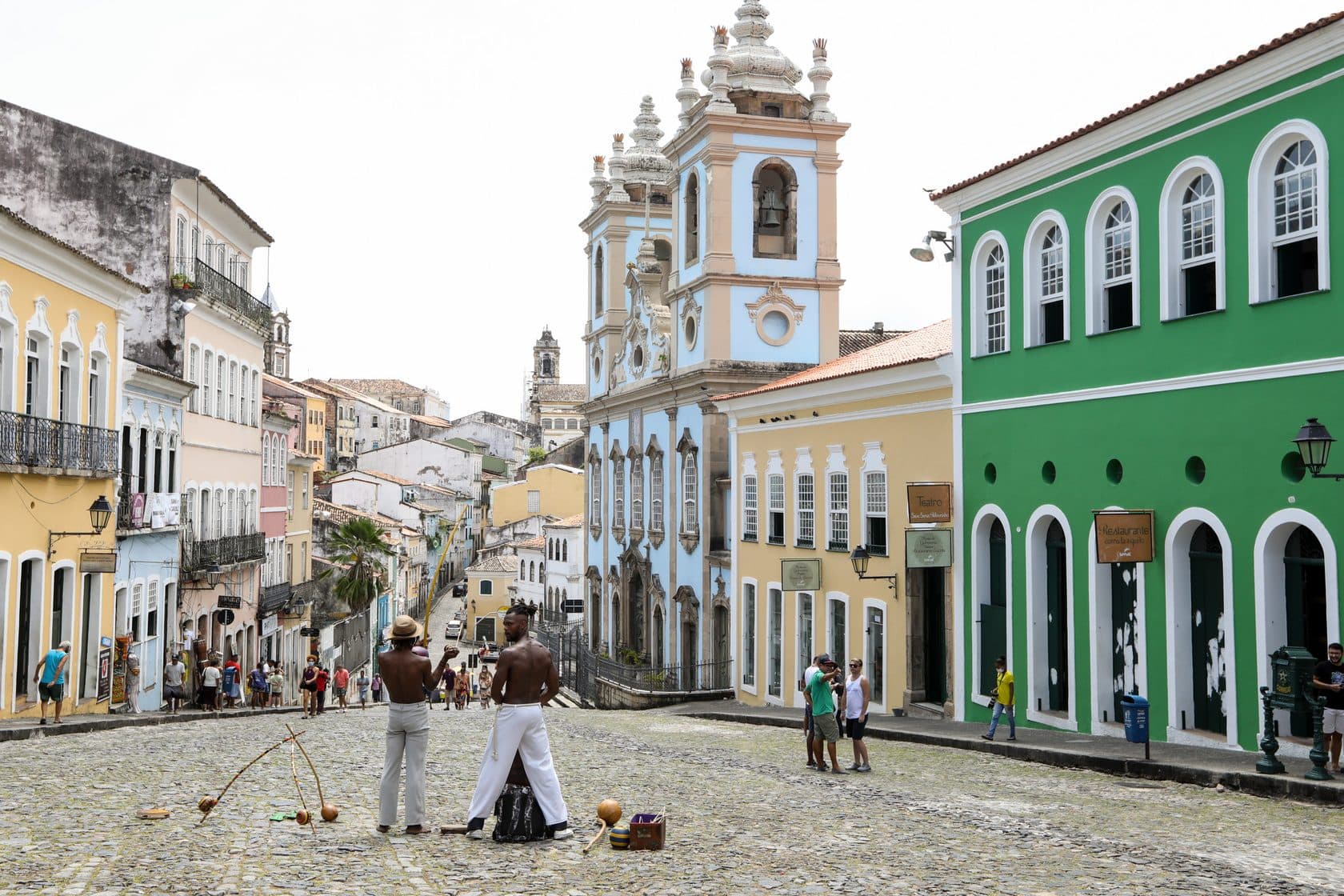
Walking through Pelourinho means walking over more than five centuries of history. These are the moments that help explain the city.
1501 — A bay named after a feast day
Portuguese navigators sight the inlet on 1 November, All Saints' Day. The Bay of All Saints gets its name — the second largest on the Brazilian coast.
1549 — The first capital
Tomé de Sousa founds Salvador on the orders of the Portuguese Crown, which wanted to run the colony under a general government. The city would be Brazil's capital for 214 years — longer than Rio de Janeiro and Brasília combined.
16th–18th centuries — The sugar cycle
The sugar mills of the Recôncavo make Salvador one of the richest ports in the Portuguese empire.
16th–19th centuries — A heritage that endured
Hundreds of thousands of enslaved Africans were brought through the port by force. From that painful history — and the resistance it sparked — came capoeira, Candomblé, the cuisine and much of the music and language Brazil calls its own.
1763 — The capital moves
The colonial government moves to Rio de Janeiro. Salvador loses political weight but remains a cultural and religious centre.
1985 — World Heritage
UNESCO recognises the Historic Centre as a World Heritage Site: the largest ensemble of colonial architecture in the Americas.
Today — The Afro-Brazilian capital
Salvador has the largest Afro-descendant population outside Africa, the world's biggest street carnival and rhythms that play all over the country.
This history is not in the past: it beats in every capoeira circle and every terreiro in the city.
Brazil's first capital, alive on every corner
See tours in SalvadorYou may also like
Salvador
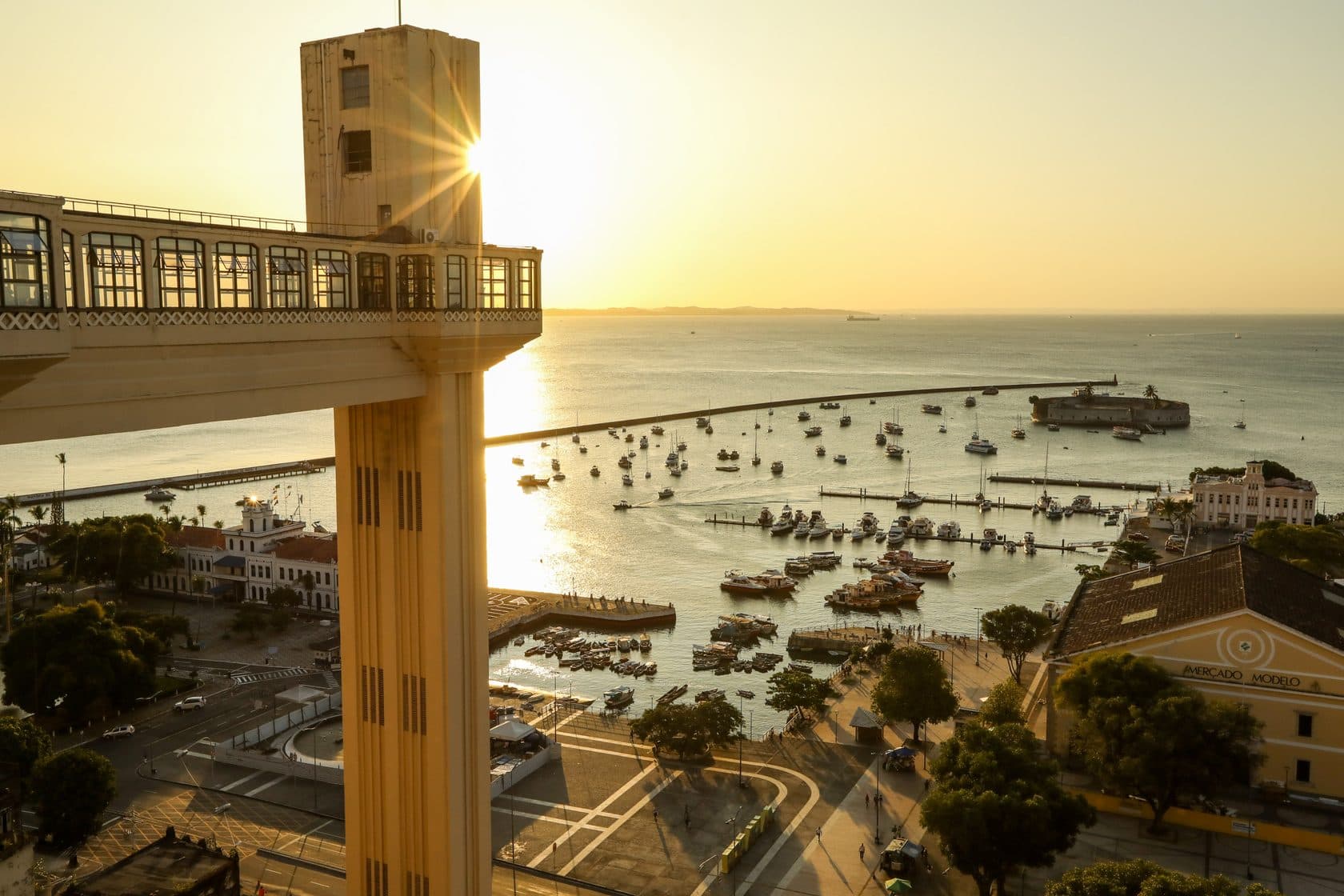
Historic city tour: Pelourinho, Bonfim and Farol da Barra
- 6h
- pt · en · es
Free cancellation up to 24h before
from
R$160
per adult
Salvador
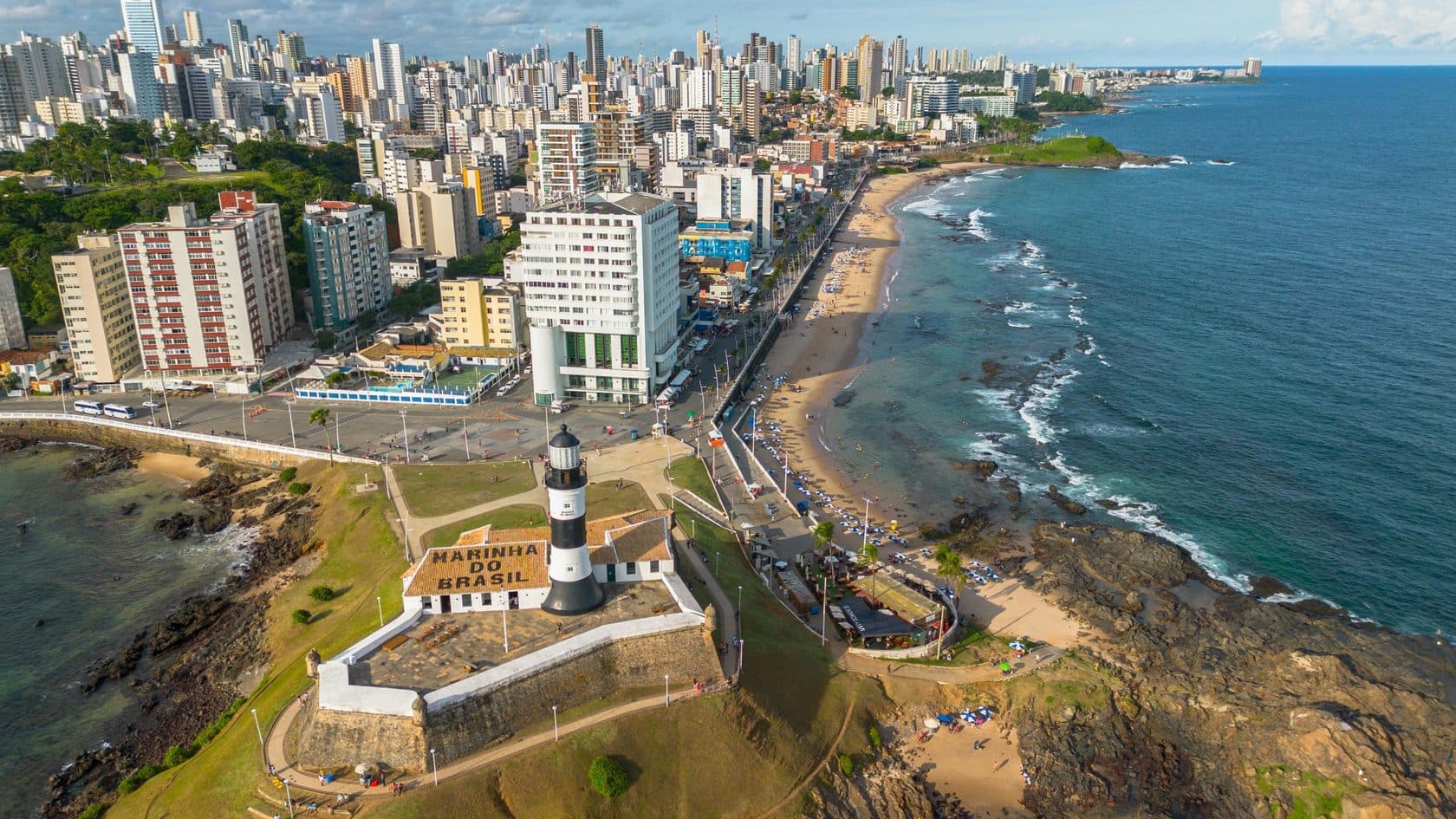
Salvador's seafront and sunset at Farol da Barra
- 4h
- pt · en · es
Free cancellation up to 24h before
from
R$120
per adult
Salvador
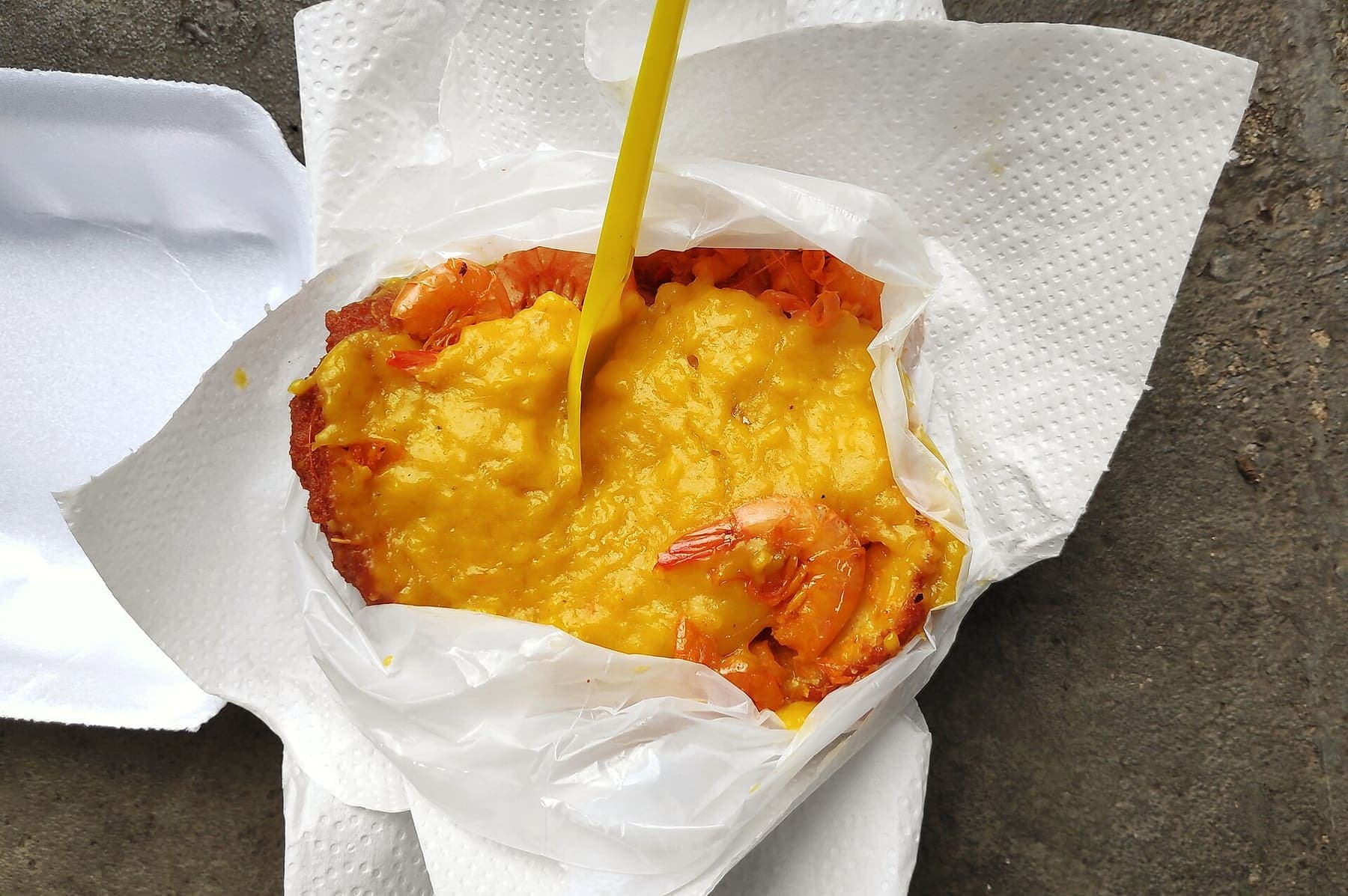
Flavours of Bahia: food tour in Rio Vermelho
- 4h
- pt · en
Free cancellation up to 24h before
from
R$260
per adult
Keep reading
September 29, 2026
Salvador practical guide: getting there, weather and tips
Airport, best time to go, getting around, safety and how long to stay — the essentials before you pack.
September 22, 2026
What to eat in Salvador: a guide to Bahian cooking
Acarajé, moqueca, vatapá, bobó: the dishes that became symbols of Brazil — and their soul, palm oil.
September 15, 2026
Capoeira, Candomblé and Carnival: Salvador’s living culture
Salvador holds the largest African cultural heritage in the Americas — and turned it into fight, faith, music and celebration.