
September 15, 20261 min read
Capoeira, Candomblé and Carnival: Salvador’s living culture
Salvador holds the largest African cultural heritage in the Americas — and turned it into fight, faith, music and celebration.
Capoeira
Created by enslaved Africans as resistance disguised as dance, it blends fighting, music and ginga to the sound of the berimbau. Since 2014 it has been Intangible Cultural Heritage of Humanity — and there are open-air rodas in Pelourinho every day.
Candomblé
An Afro-Brazilian religion born in Salvador from the faith brought by African peoples, it worships the orixás in terreiros across the city. It survived centuries of persecution and is now a recognised part of Bahian identity.
Carnival
The world's largest street carnival, according to Guinness, draws millions to the Barra–Ondina and Campo Grande circuits. The trio elétrico was born here in 1950 — and this is where the Afro blocs Ilê Aiyê and Olodum parade.
Music
From samba-reggae to the axé of the 1980s and 90s, Salvador exports rhythm to the whole of Brazil. It is the home town of Dorival Caymmi, Gilberto Gil, Caetano Veloso and Maria Bethânia.
Crafts and popular faith
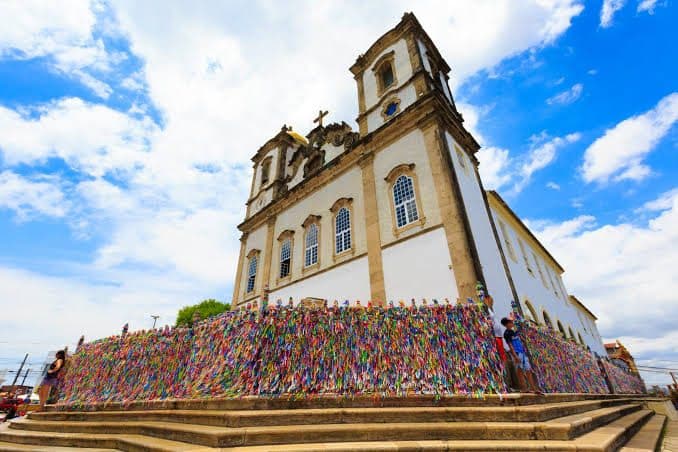
Lace, balangandã charms and Bonfim ribbons are part of local craft. Festivals such as the Washing of Bonfim (January) and the Iemanjá Festival (2 February, in Rio Vermelho) blend Catholicism, Candomblé and street celebration.
Brazil's first capital, alive on every corner
See tours in SalvadorYou may also like
Salvador
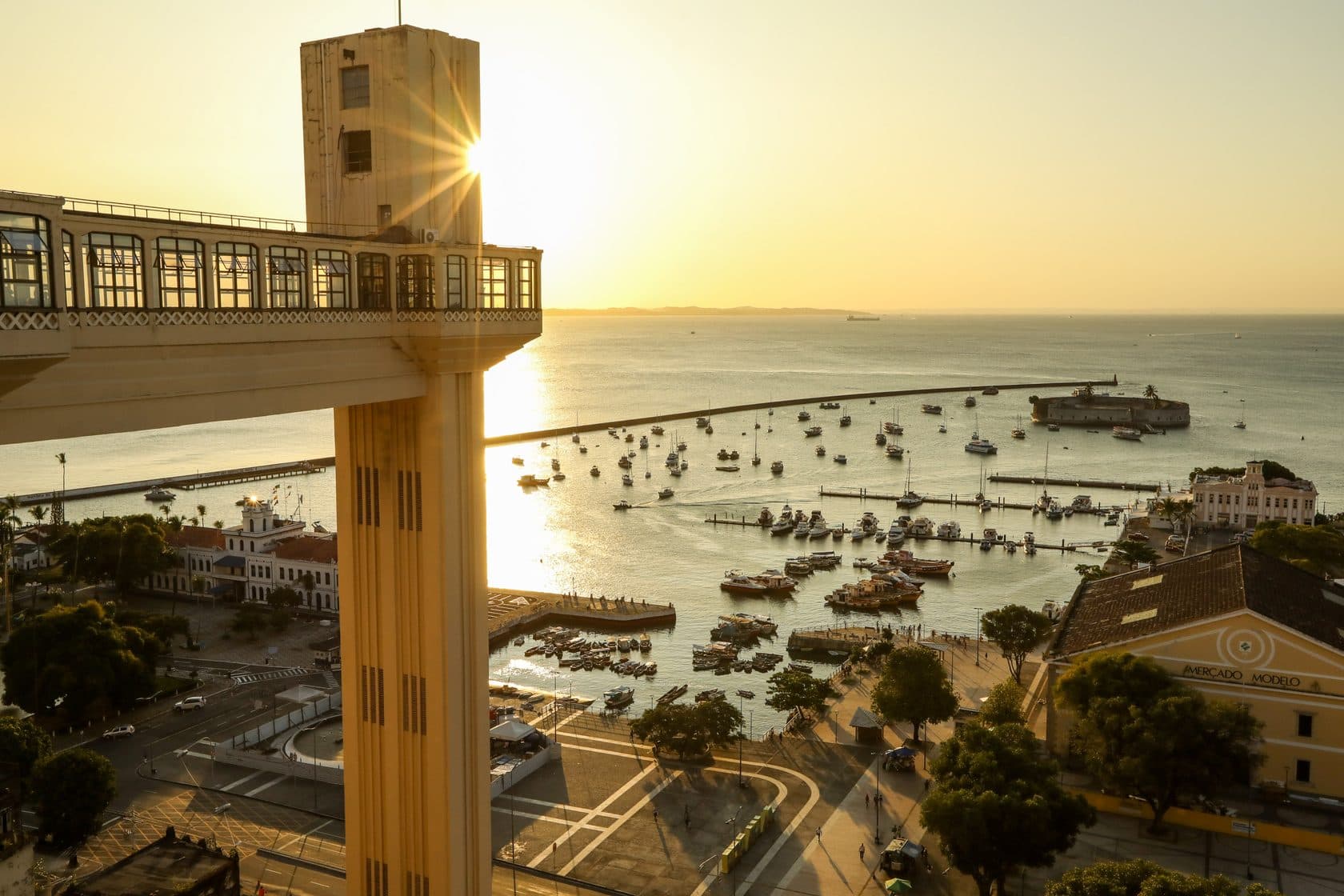
Historic city tour: Pelourinho, Bonfim and Farol da Barra
- 6h
- pt · en · es
Free cancellation up to 24h before
from
R$160
per adult
Salvador
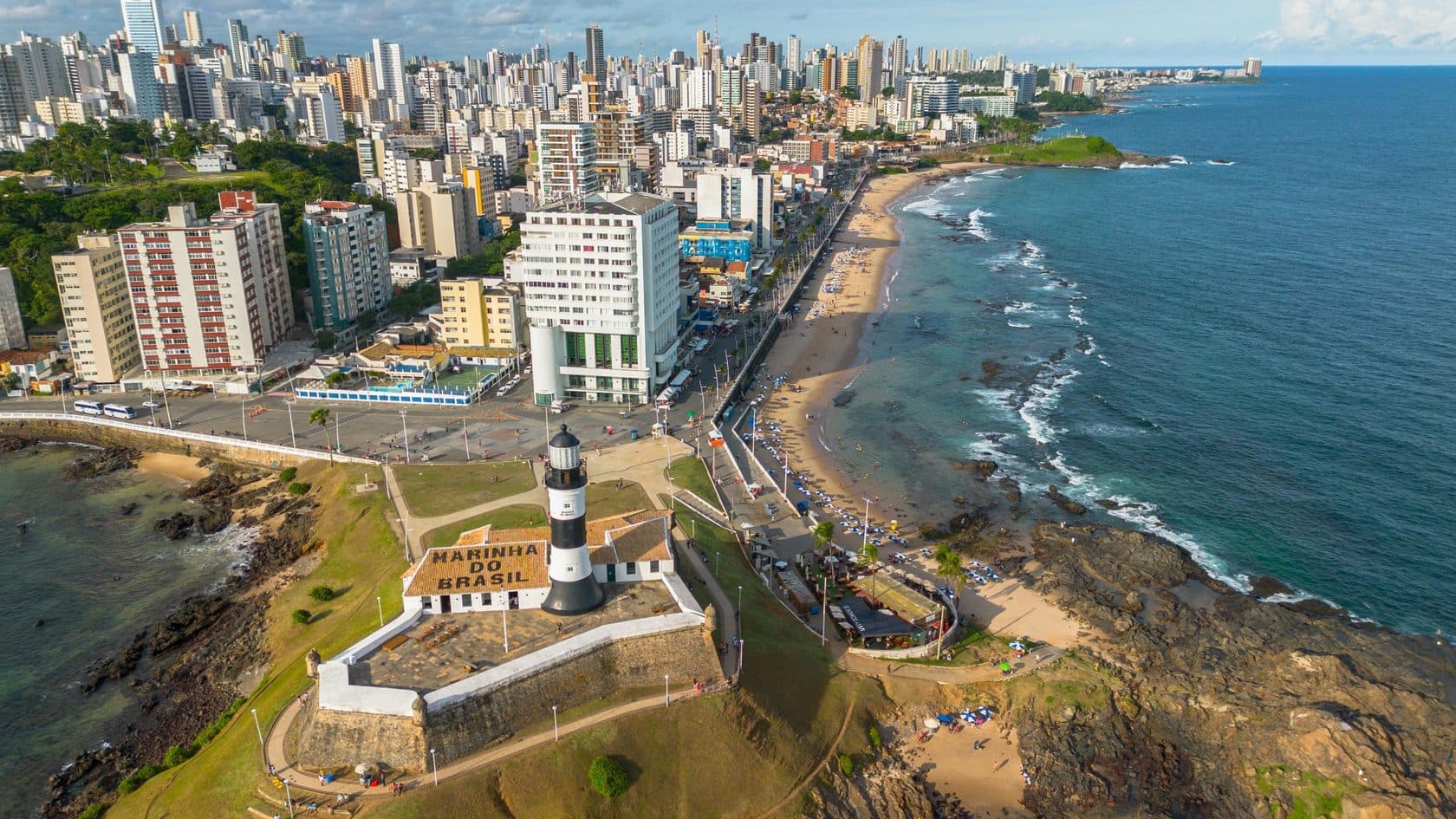
Salvador's seafront and sunset at Farol da Barra
- 4h
- pt · en · es
Free cancellation up to 24h before
from
R$120
per adult
Salvador
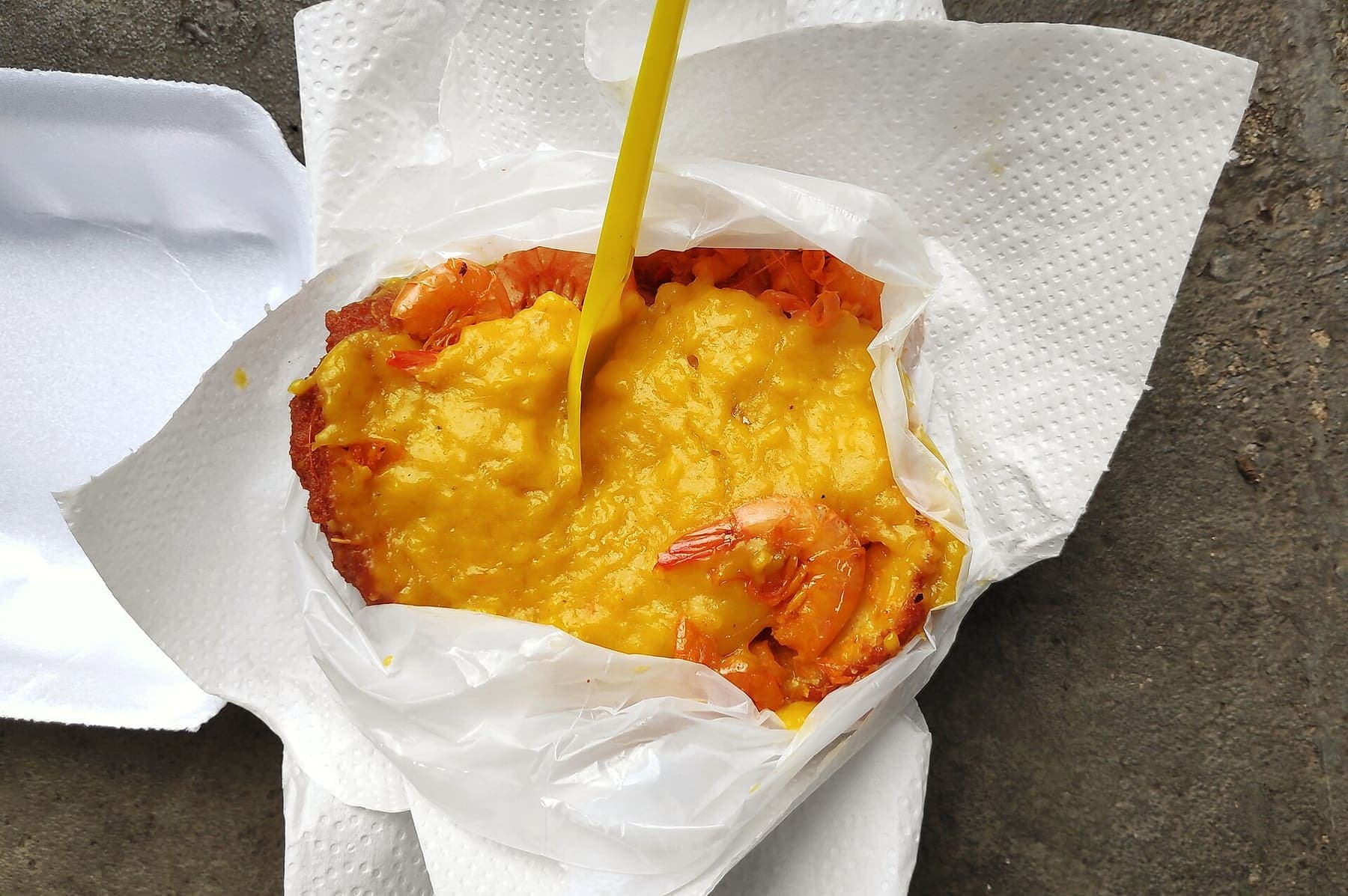
Flavours of Bahia: food tour in Rio Vermelho
- 4h
- pt · en
Free cancellation up to 24h before
from
R$260
per adult
Keep reading
September 29, 2026
Salvador practical guide: getting there, weather and tips
Airport, best time to go, getting around, safety and how long to stay — the essentials before you pack.
September 22, 2026
What to eat in Salvador: a guide to Bahian cooking
Acarajé, moqueca, vatapá, bobó: the dishes that became symbols of Brazil — and their soul, palm oil.
September 8, 2026
Salvador sights every visitor should see
Lighthouses, cobbled hills and a church covered in ribbons: the essential stops, each with a local tip.